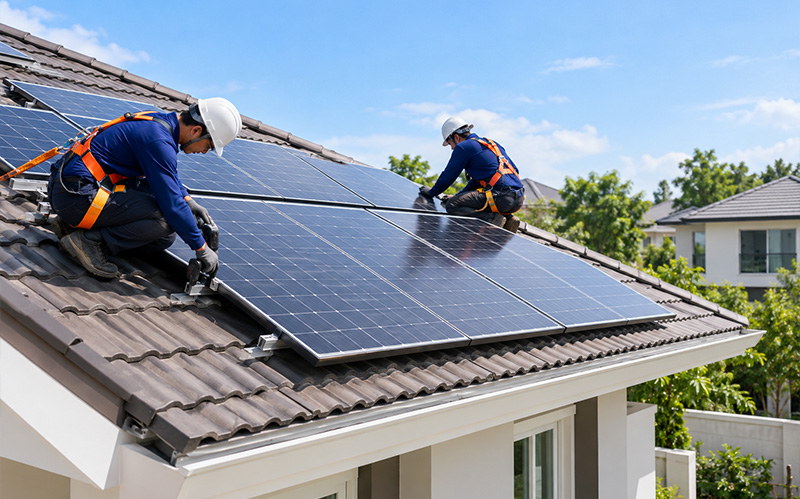
Most residential and commercial properties in Singapore obtain electricity through the national grid. Solar panels offer another option: generating electricity directly from available rooftop space. However, comparing solar panels vs traditional electricity in Singapore involves more than deciding between renewable and conventional energy.
At Energio, we recognise that every property presents different opportunities and limitations for solar installation. For example, a landed home with multiple roof slopes may have limited usable space, while a warehouse with a large rooftop may still face structural or electrical constraints. That is why we assess each property's physical characteristics, electricity needs, and existing infrastructure before recommending a suitable solar PV system.
Traditional grid electricity provides a continuous supply, regardless of the time of day or weather conditions, except during supply interruptions. Solar panels, on the other hand, generate electricity only when there is sufficient sunlight, so their output varies throughout the day.
For properties with grid-connected solar PV systems, both electricity sources work together. Solar-generated electricity can meet part of the property's demand during the day, while the grid supplies any additional electricity required. Without battery storage, the property continues relying on grid electricity when solar generation is unavailable.
From our experience, property owners should distinguish normal weather-related fluctuations from actual system performance issues. For example, reduced generation during prolonged rainfall is expected, whereas consistently lower output under similar sunlight conditions may indicate shading, panel deterioration, or inverter-related problems.
One key consideration when comparing solar panels vs traditional electricity is when you consume electricity. A warehouse operating ventilation, lighting, and machinery throughout the day may use much of its solar generation as it is produced. Meanwhile, a landed home where occupants return after work may have a different consumption pattern, with greater demand occurring after sunset.
Both properties could have similar monthly electricity bills but different opportunities to consume solar-generated electricity directly. For this reason, we consider daily load patterns alongside total consumption. When interval consumption data is available, it can more clearly show how solar generation may align with operational needs.
Unlike grid electricity, rooftop solar depends heavily on the physical characteristics of the building. We distinguish total roof area from the space genuinely suitable for installation.
For example, a landed property's roof configuration may feature multiple slopes, shaded areas, and restricted access points, while a commercial rooftop may have ventilation systems, drainage outlets, and designated maintenance pathways. These physical constraints affect the panel layout and available installation space. Beyond rooftop conditions, you must also consider the building's structural capacity and existing electrical infrastructure when determining a suitable solar PV system size.
A large roof does not necessarily mean that a property can support an equally large installation. The building's incoming electrical supply arrangement, switchboard capacity, protection equipment, and applicable grid-connection requirements may limit how much solar capacity can be safely integrated.
Another difference between solar panels and traditional electricity is their cost structure. Grid electricity involves ongoing charges based on consumption and the applicable electricity tariff or retail plan.
Installing a solar PV system typically involves an upfront investment in panels, inverters, mounting structures, installation, and associated electrical work. However, the initial installation cost alone does not reflect the system's long-term financial value.
For example, two commercial buildings may accommodate similarly sized solar PV systems but achieve different savings because of differences in operating hours and electricity-consumption patterns. A building with substantial daytime electricity demand may use more of its solar-generated electricity directly, potentially reducing its reliance on grid electricity.
At Energio, we assess a proposed system by considering expected electricity generation, potential reductions in grid electricity purchases, equipment requirements, and ongoing maintenance costs. We also recommend factoring in electricity tariffs, applicable export arrangements, and potential equipment replacement costs to develop a more realistic estimate of the system's payback period.
Solar allows suitable properties to generate part of their electricity requirements on-site. A commercial building with consistent daytime operations may consume a substantial portion of its solar generation directly. A residential property with limited daytime demand may use less immediately.
Where eligible, surplus solar electricity may be exported to the grid under applicable arrangements, although compensation depends on the relevant scheme. The key distinction is that solar does not need to replace grid electricity entirely.
We review how much electricity a proposed system could generate and how that output relates to the property's actual demand. This provides a more useful basis for estimating potential reductions in grid electricity than roof dimensions or monthly bills alone.
Solar PV systems generate electricity without burning fuel during operation, resulting in low operational greenhouse gas emissions. This differs from electricity generated using fossil fuels, where emissions are released as fuel is burned to produce power.
However, solar energy is not entirely free from environmental impacts. Manufacturing solar panels requires raw materials and energy, while transportation, installation, and eventual disposal or recycling also contribute to their overall environmental footprint.
In Singapore, grid electricity is primarily generated using natural gas, which produces carbon emissions during electricity generation. Installing solar panels can help property owners reduce reliance on grid electricity during daylight hours, potentially lowering emissions from electricity consumption.
The key distinction is between operational emissions and lifecycle impacts. While solar panels have environmental costs across their lifecycle, their ability to generate electricity over many years without burning fuel makes them a lower-emission alternative to fossil fuel-based electricity generation.
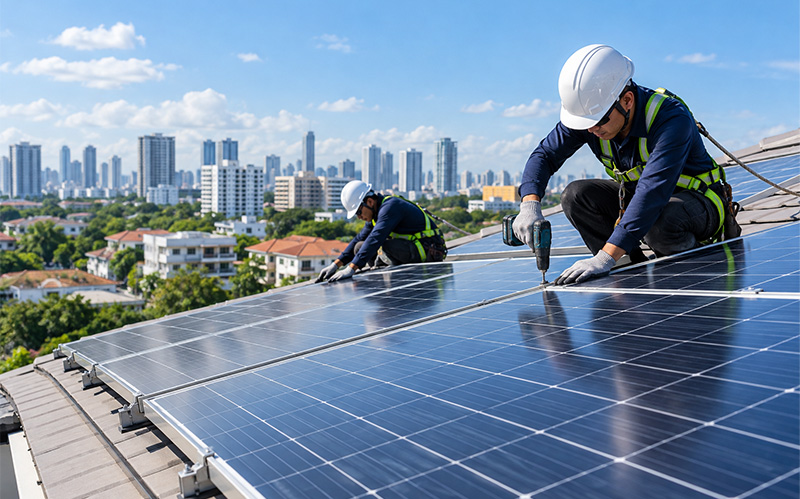
When comparing solar panels vs traditional electricity in Singapore, we encourage property owners to focus on four considerations:
For residential projects, engaging a certified solar panel installer in Singapore can help property owners evaluate technical requirements and applicable approvals. At Energio, our team assesses roof conditions, structural capacity, existing electrical infrastructure, and potential electricity generation. We also advise on regulatory approvals, grid-connection requirements, and appropriate system configurations based on the property's technical constraints and electricity needs.
Similarly, experienced commercial solar panel installers should assess operational demand, rooftop equipment, structural requirements, and electrical integration before recommending system capacity. For example, warehouses and industrial facilities may have extensive rooftop space but also need to accommodate ventilation equipment, maintenance access routes, and structural load limitations. Our installers review daytime electricity consumption, peak demand patterns, and existing electrical infrastructure to determine how to integrate solar generation into daily operations without compromising building functionality or maintenance access.
The comparison between solar panels and conventional electricity ultimately depends on what your property can support and how you use electricity. Grid electricity provides a consistent supply, while solar can supplement it and reduce purchased electricity during generation hours.
For property owners considering commercial or residential solar panels in Singapore, we recommend assessing usable roof space, daytime consumption, and expected generation before deciding on system capacity. A comprehensive assessment of roof suitability, structural capacity, electrical infrastructure, and electricity consumption patterns is essential to determining a solar PV system size that meets the property's energy needs and technical requirements.
Energio is a Singapore-based provider of solar PV integration and EV charging solutions for residential and commercial properties. We provide customised solar system designs based on roof characteristics, electricity consumption, and individual project requirements. Our services include site assessments, installation, regulatory submissions, system monitoring, warranty servicing, and after-sales support.
Get in touch to discuss your property's solar potential and explore a suitable solar PV solution.
Solar panels may meet a property's electricity demand during certain daylight periods. However, most grid-connected systems still rely on grid electricity at night or when generation is insufficient. Battery storage can add flexibility but requires separate technical and financial consideration.
Not necessarily. Roof orientation, shading, structural suitability, and electrical infrastructure influence installation feasibility. Two neighbouring homes may support different system capacities despite having similar roof dimensions.
The payback period depends on installation costs, actual generation, electricity consumption, applicable tariffs, and export compensation. We recommend reviewing property-specific financial projections rather than relying on a standard payback estimate.