Installing high-efficiency solar panels is only one part of achieving strong solar performance. Even panels with excellent specifications may generate less electricity than expected if they are poorly positioned, frequently shaded, or affected by system faults.
In Singapore, solar installations must also account for neighbouring buildings, rooftop equipment, tropical temperatures, and limited usable roof space. These conditions make proper system planning essential to achieving consistent electricity generation.
If you are wondering how to maximise solar panel efficiency in Singapore, our team at Energio provides professional guidance based on your property's specific conditions. We assess the entire solar PV system, from panel selection and placement to system configuration and ongoing maintenance, to help you make effective use of your roof's solar potential.
Improving solar generation starts with understanding the conditions that influence system performance. While solar panel efficiency refers to how effectively a panel converts sunlight into electricity, the total electricity generated also depends on factors such as sunlight exposure, shading, system design, and equipment condition.
For homeowners, maximising solar panel efficiency in Singapore means looking beyond the panels' technical specifications. Proper installation, regular performance monitoring, and timely maintenance can optimise real-world solar PV output without changing the panels' inherent conversion efficiency.
A panel's efficiency rating indicates how effectively it converts sunlight into electricity under standard test conditions. However, the highest-rated panel is not necessarily the most suitable option.
For example, a property with limited usable roof space may benefit from higher-efficiency panels because they can generate more power in a smaller area. A larger roof may offer more flexibility when balancing panel efficiency, cost, durability, and warranty coverage. We assess these factors before recommending equipment, ensuring panel selection reflects the property's requirements.
Effective panel placement requires more than identifying the sunniest-looking section of a roof. Trees, neighbouring buildings, parapets, and water tanks can shade the roof throughout the day. A roof section that receives strong midday sunlight may still be substantially shaded in the morning or afternoon.
For instance, a neighbouring building may cast shadows over certain panels in the morning, reducing their electricity generation even when other sections of the roof receive direct sunlight. That is why we assess sunlight exposure across different roof areas to identify the best locations for panel installation.
Two landed properties with similarly sized roofs may support different solar system capacities. One may have a broad, unobstructed roof surface, while another contains water tanks, irregular roof sections, or equipment that restricts installation.
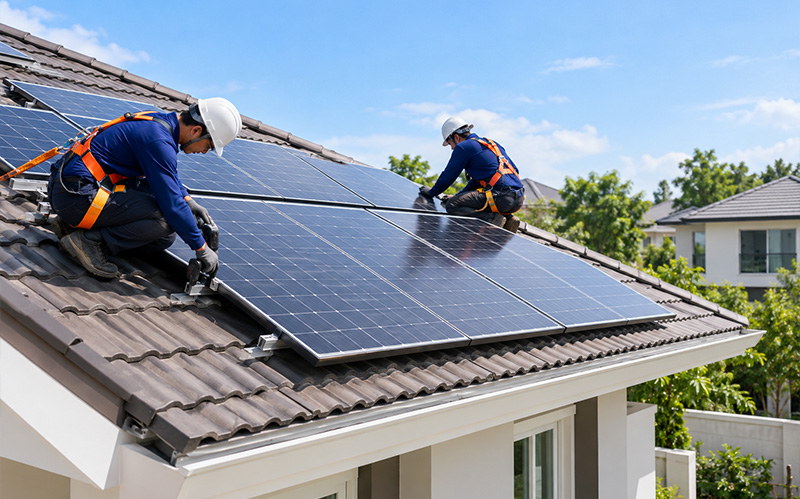
During PV panel installation, we consider structural suitability, roof geometry, access requirements, and the space available for panel mounting. The objective is to maximise suitable system capacity without installing additional panels where expected generation may not justify the installation.
Dust, leaves, bird droppings, and other debris can reduce sunlight reaching solar cells when they accumulate significantly. We recommend routine maintenance, generally at least once a year, with the appropriate frequency depending on site conditions.
Cleaning needs depend on the panels' condition and whether dirt or debris is affecting electricity generation. During maintenance assessments, we review system performance to identify potential issues involving shading, inverter operation, or other components that may require attention.
Knowing how to maximise solar panel efficiency in Singapore also requires monitoring generation patterns. Solar electricity generation naturally fluctuates throughout the day depending on sunlight availability and weather conditions. In Singapore, frequent changes in cloud cover and rainfall can cause noticeable output differences, even when the system is operating normally.
Rather than focusing on occasional low-output days, we recommend reviewing generation trends over time to understand what is normal for your system. At Energio, we also consider weather conditions when assessing these trends, which helps us identify unusual declines caused by shading, inverter faults, or other system issues.
When learning how to maximise solar panel efficiency in Singapore, it is important to recognise common misconceptions that may lead to unrealistic performance expectations. From our experience, homeowners sometimes focus on panel quantity or efficiency ratings without considering how roof conditions and system design affect actual electricity generation.
Additional panels can increase system capacity, but their placement matters. Solar panels are commonly connected in groups called strings. Depending on the system configuration, shading on one panel can affect the output of other panels in the same string.
For example, shadows cast by a rooftop water tank may affect an entire panel string, even when most panels receive direct sunlight. While power optimisers and microinverters can help reduce certain shading losses, their suitability depends on the installation. At Energio, we consider these factors when planning panel layouts to ensure additional panels contribute meaningfully to electricity generation.
Although solar panels need sunlight to generate electricity, higher temperatures do not necessarily improve performance. As solar cells heat up, their electrical efficiency generally decreases, so they may produce less power than expected under the same sunlight conditions.
In Singapore's tropical climate, solar panels exposed to direct sunlight can become considerably hotter than the surrounding air, resulting in heat-related efficiency loss. Even panels receiving similar amounts of sunlight may generate different levels of electricity depending on their operating temperatures. At Energio, we account for these conditions by considering panel temperature coefficients, mounting arrangements, and airflow beneath the panels to support efficient electricity generation.
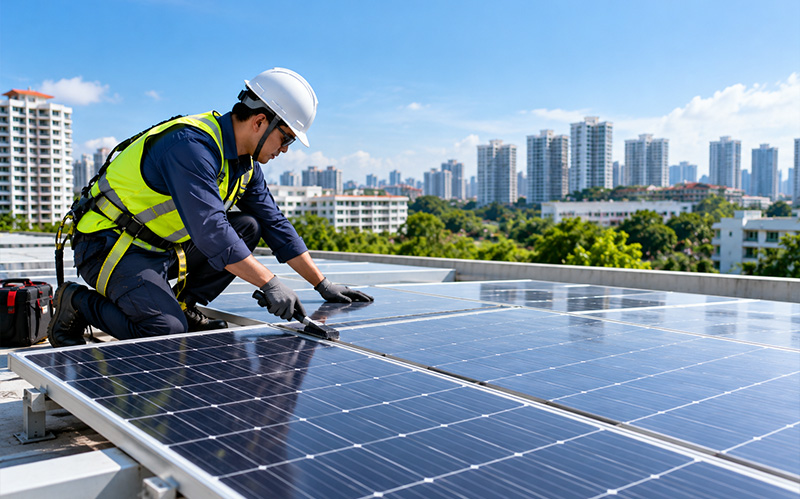
Although Singapore experiences frequent rainfall, rainwater does not always remove stubborn dirt, bird droppings, or debris trapped along panel edges. Over time, these deposits can obstruct sunlight and reduce electricity generation, particularly on roofs surrounded by trees or exposed to construction dust.
We recommend assessing panel cleanliness alongside electricity generation data to determine whether cleaning is necessary. This helps homeowners avoid unnecessary maintenance while addressing dirt accumulation that may affect system performance.
An unexpected drop in solar generation does not necessarily mean the panels are faulty. A solar PV system relies on several interconnected components, including the panels, inverter, wiring, and monitoring equipment. Problems affecting any of these components can reduce electricity output.
For example, an inverter fault may disrupt electricity conversion even when the panels are functioning properly. Similarly, trees that have grown taller since installation may cast new shadows over the panels, gradually reducing generation during certain hours.
Working with a reliable solar company in Singapore can help you identify the underlying cause before committing to repairs or replacements. At Energio, we recommend reviewing monitoring records, checking inverter alerts, and assessing site conditions to determine which components require attention and avoid unnecessary maintenance costs.
Understanding how to maximise solar panel efficiency in Singapore involves more than selecting the right equipment. Effective panel placement, thoughtful system design, regular monitoring, and proper maintenance all support long-term solar performance.
As your system operates over time, electricity generation may change due to weather conditions, shading, or equipment issues. Identifying these factors early allows you to address performance concerns without unnecessary maintenance or replacement costs. Working with a reliable solar panel service provider in Singapore can also help ensure the system is properly designed, installed, and maintained for long-term performance.
Energio is a Singapore-based provider of solar PV integration and EV charging solutions for residential and commercial properties. Our services cover site assessments, customised system design, installation, monitoring, and after-sales support. We consider each property's roof conditions, electricity consumption, and project requirements to develop solar solutions that align with individual energy needs and long-term goals.
Contact us to learn how a well-planned, well-maintained solar PV system can support your long-term energy goals.
We generally recommend cleaning solar panels once or twice annually, depending on their surroundings. Properties near trees, construction, or areas with frequent bird activity may need more attention. However, cleaning frequency should reflect actual soiling and system performance rather than a fixed schedule alone.
Yes. Solar panels can generate electricity using diffuse sunlight, although output is generally lower than under clear, sunny conditions. When assessing solar panel efficiency, we recommend evaluating generation over longer periods, but not comparing individual days with different weather conditions.
Review your system's monitoring portal for unusual or sustained changes in electricity generation. Compare output across periods with reasonably similar sunlight conditions, and check for inverter alerts. If generation remains unexpectedly low, a professional assessment can help determine whether shading, soiling, or equipment issues are responsible.